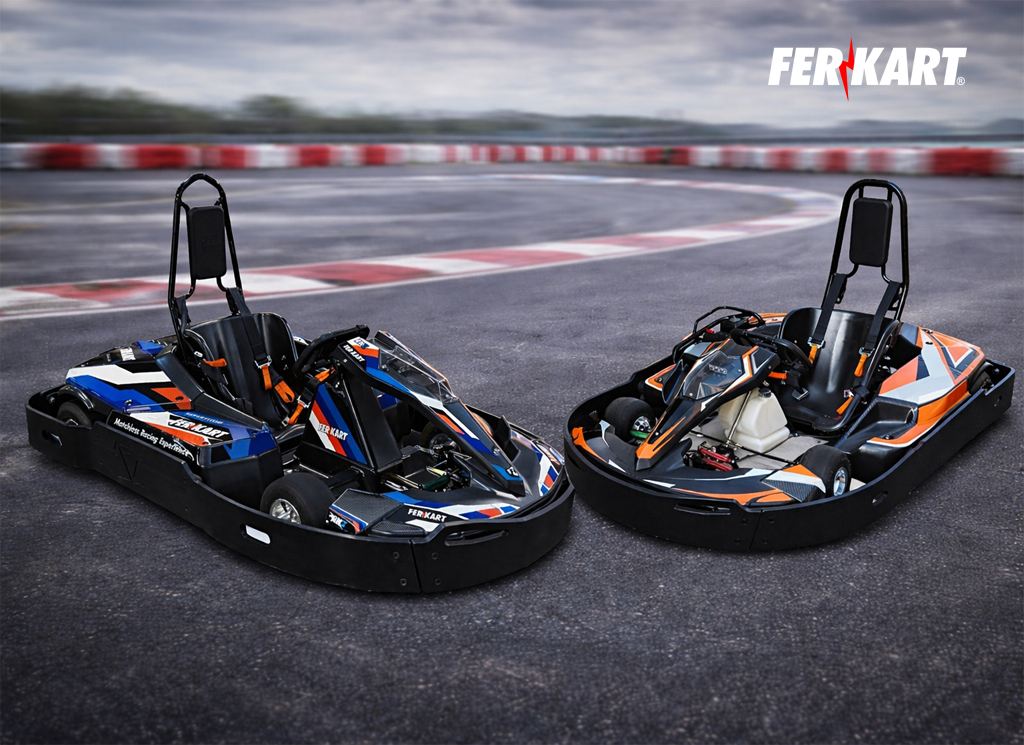
When choosing the right equipment for a karting business, the decision between gasoline karts vs electric karts should never be emotional.
It must be strategic.
The correct model depends on:
- A project type (indoor or outdoor)
- A project location
- A noise sensitivity of the area
- A available infrastructure
- A investment capacity
- A long-term business goals
At Ferkart, we manufacture both electric and gasoline karts because each technology has its place.
Let’s break it down clearly.
Gasoline karts vs electric karts: Indoor Karting Track, Which Is Better?
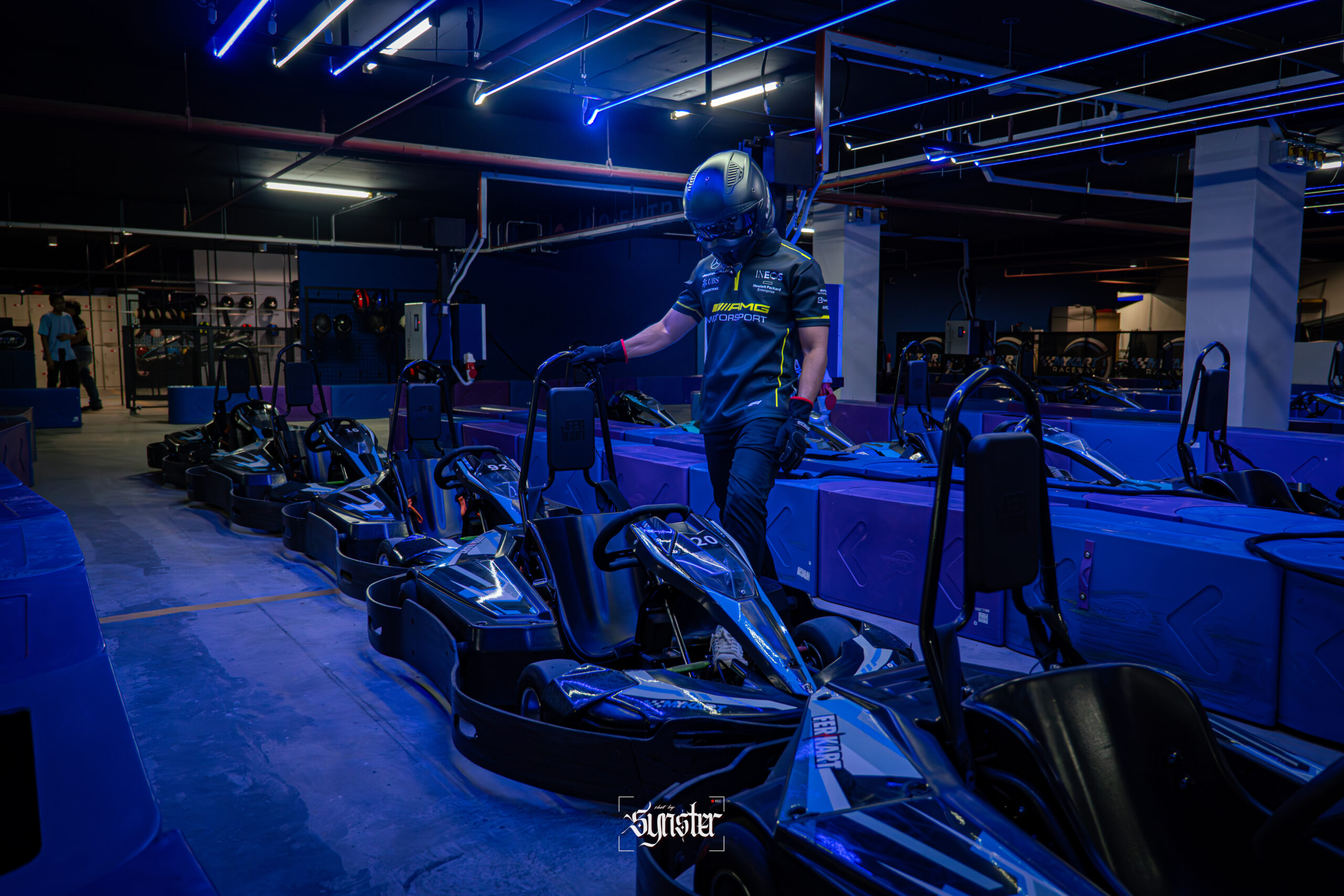
When analyzing gasoline karts vs electric karts for indoor facilities, the operational impact is significantly different.
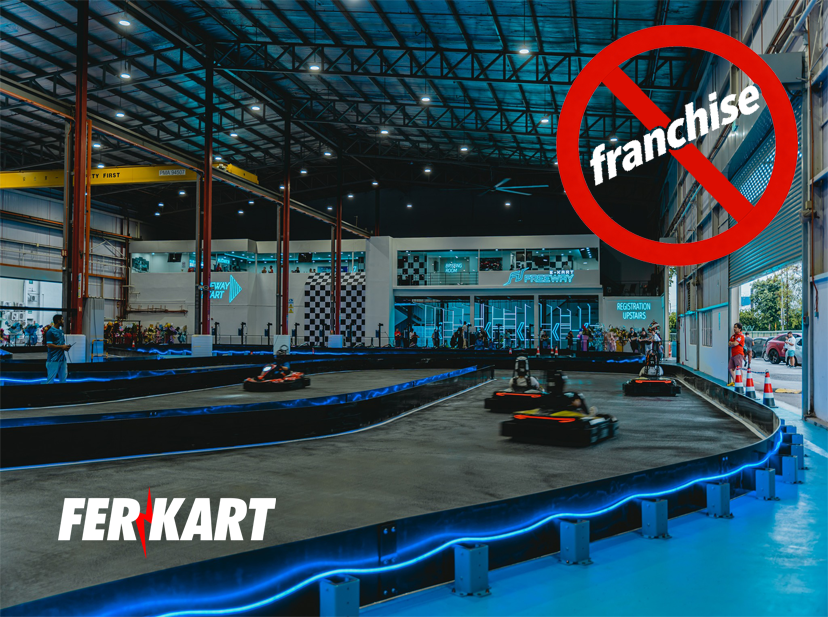
If your project is an indoor karting track, both electric and gasoline karts are technically possible.
However, the consequences of each choice are very different.
Why Electric Karts Are the Best Option for Indoor Karting
For indoor karting facilities, electric karts are almost always the recommended solution.
Here’s why:
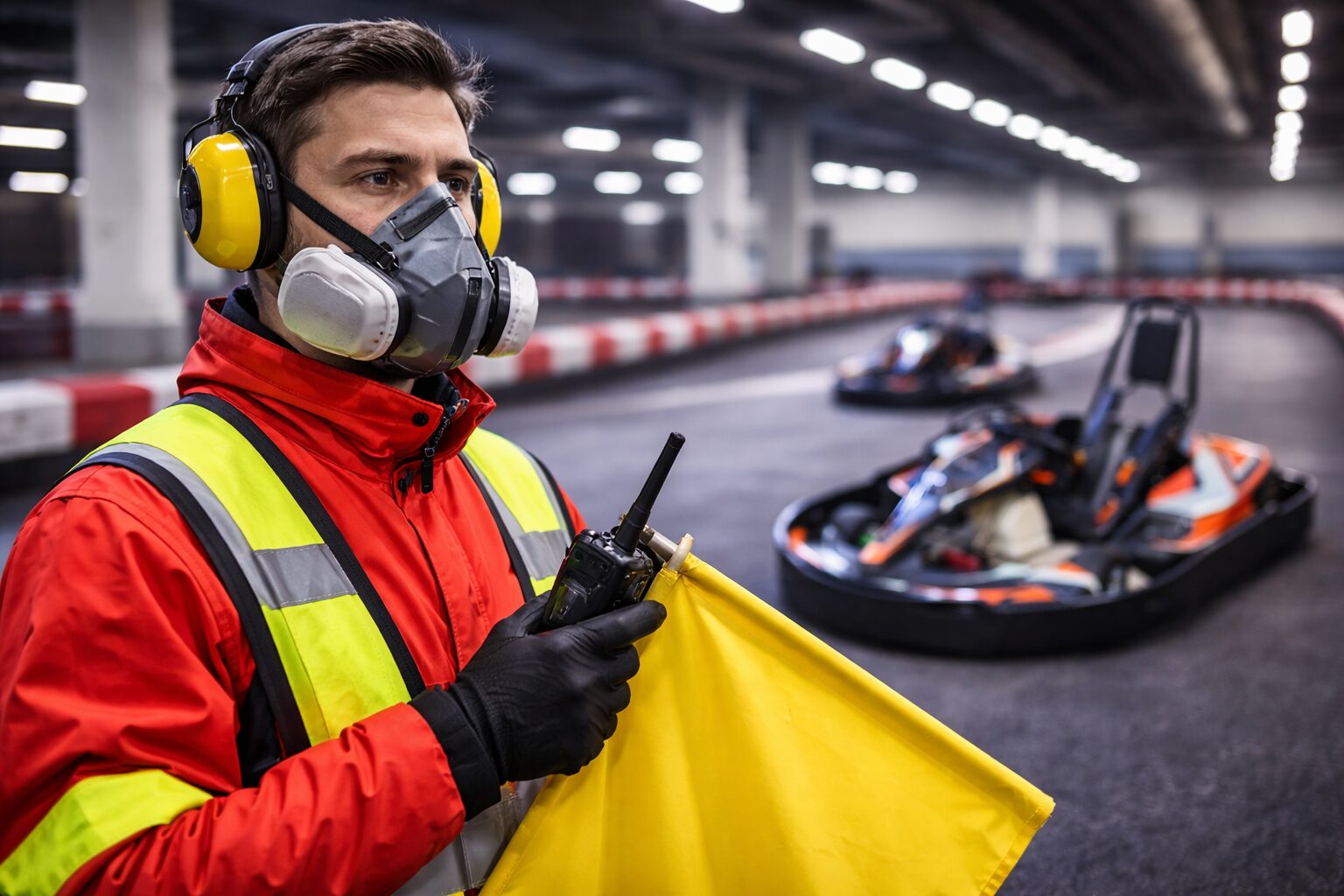
1️⃣ No Fumes, No CO₂ Accumulation
Gasoline engines produce exhaust gases.
Without a powerful air extraction and ventilation system, CO₂ quickly accumulates inside the building.
Even with ventilation, the environment is never as clean as electric.
Electric karts:
- Produce zero local emissions
- Eliminate the need for heavy-duty extraction systems
- Improve air quality immediately
Your customers feel it.
Your staff feels it even more after 8–10 hour shifts.
2️⃣ Reduced Noise and Vibration
Indoor environments amplify sound.
Gasoline engines create:
- Engine noise
- Mechanical vibration
- Acoustic fatigue for staff
Electric karts:
- Operate quietly
- Generate smoother acceleration
- Create a more comfortable indoor atmosphere
This improves:
- Customer experience
- Staff comfort
- Overall perception of quality
3️⃣ Operational Simplicity
Indoor facilities typically operate high rotation sessions.
Electric karts:
- Require less mechanical maintenance
- Avoid oil changes and clutch wear
- Reduce downtime
The operation becomes cleaner and more predictable.
When Would Gasoline Be Used Indoors?
There is only one major reason:
👉 Limited initial investment.
Gasoline karts have a lower upfront acquisition cost.
If budget is the primary constraint and the project cannot support the initial investment in electric infrastructure, gasoline may be used — but it requires:
- Proper ventilation systems
- Continuous air circulation
- Higher maintenance planning
Apart from strong financial limitations, electric should be the first option for indoor karting projects.
Gasoline Karts vs Electric Karts for Outdoor Karting Tracks: The Decision Changes
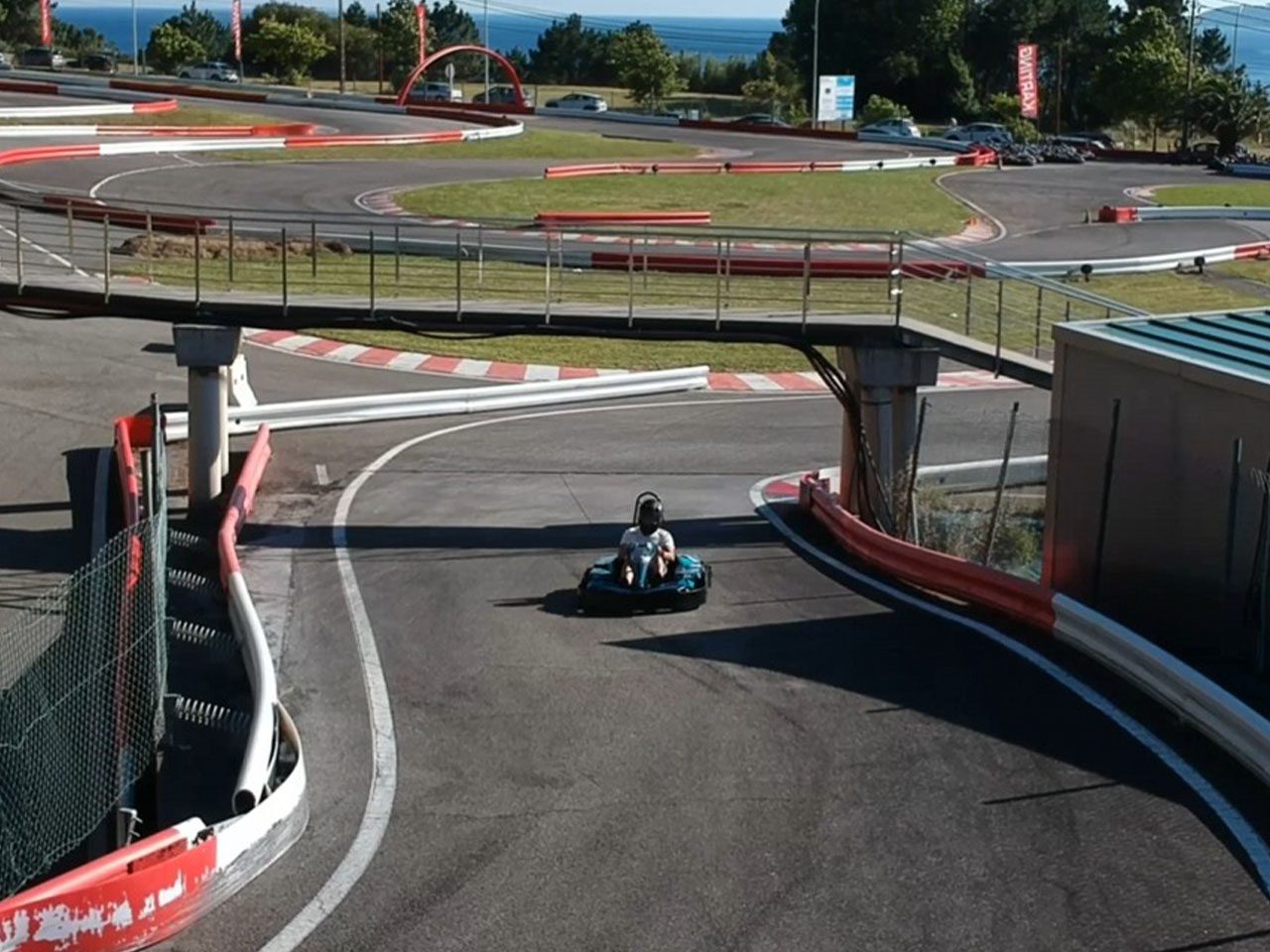
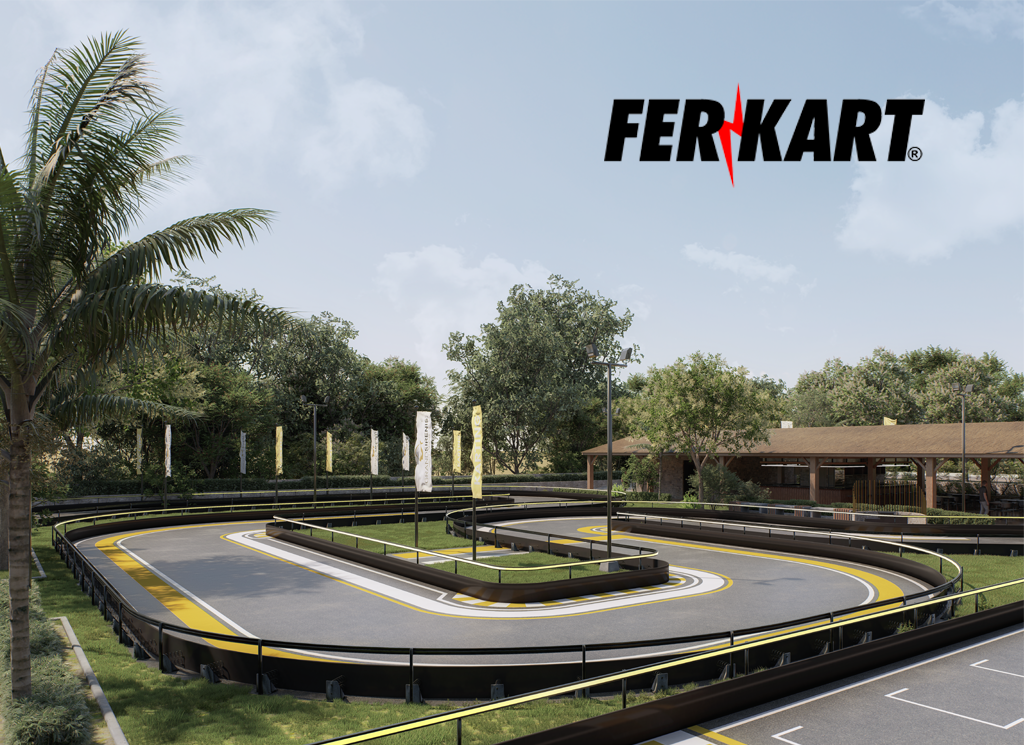
When the project is outdoor, the scenario shifts significantly.
Both electric and gasoline become viable options.
The decision now depends on environment and operational priorities.
When Electric Is the Best Choice Outdoors
Electric karts are recommended for outdoor projects when:
- The track is located in a hotel or resort
- The circuit is near a residential neighborhood
- There are strict noise regulations
- The project requires a premium, modern positioning
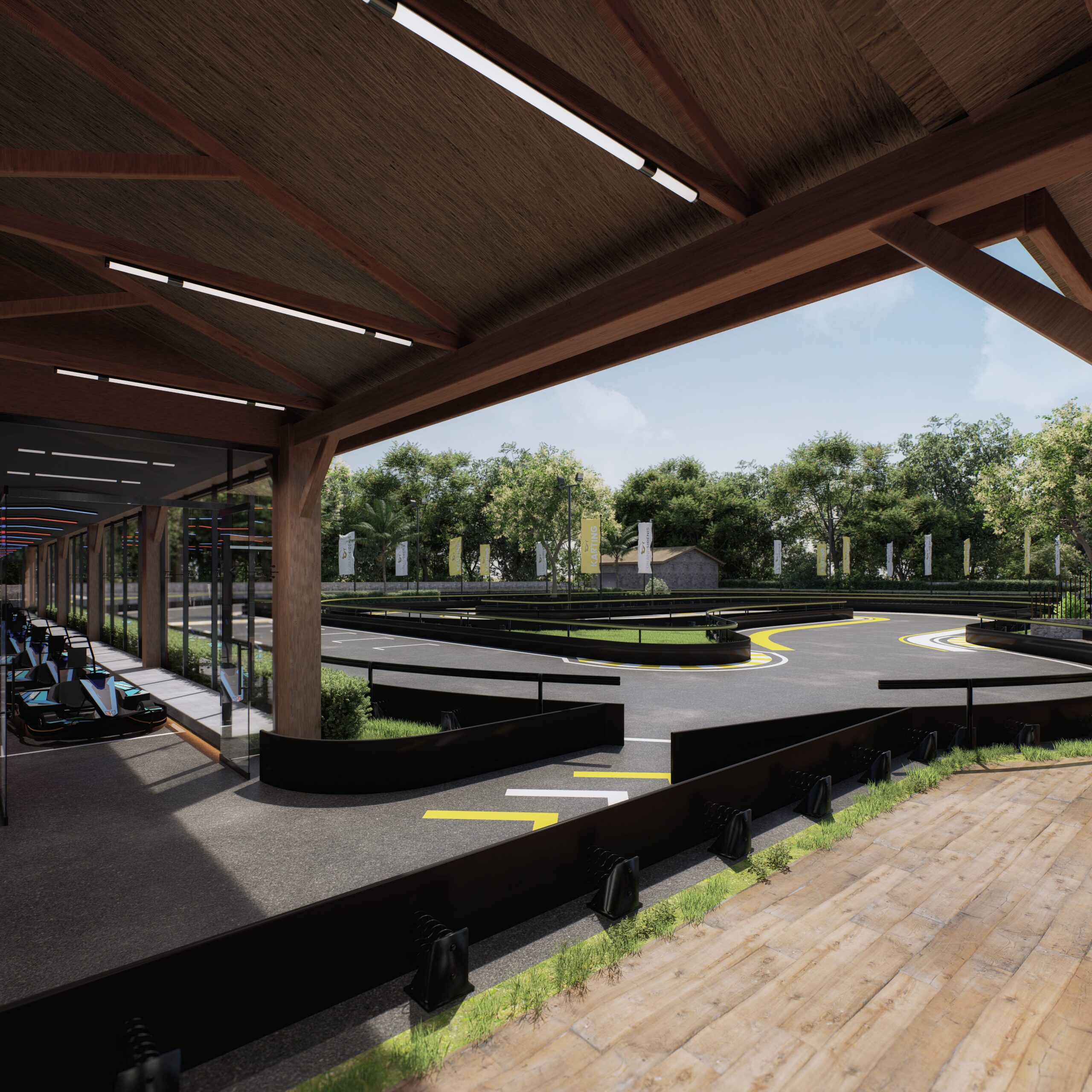
Noise control becomes the key factor.
Electric propulsion significantly reduces sound levels and helps maintain good relationships with surrounding areas.
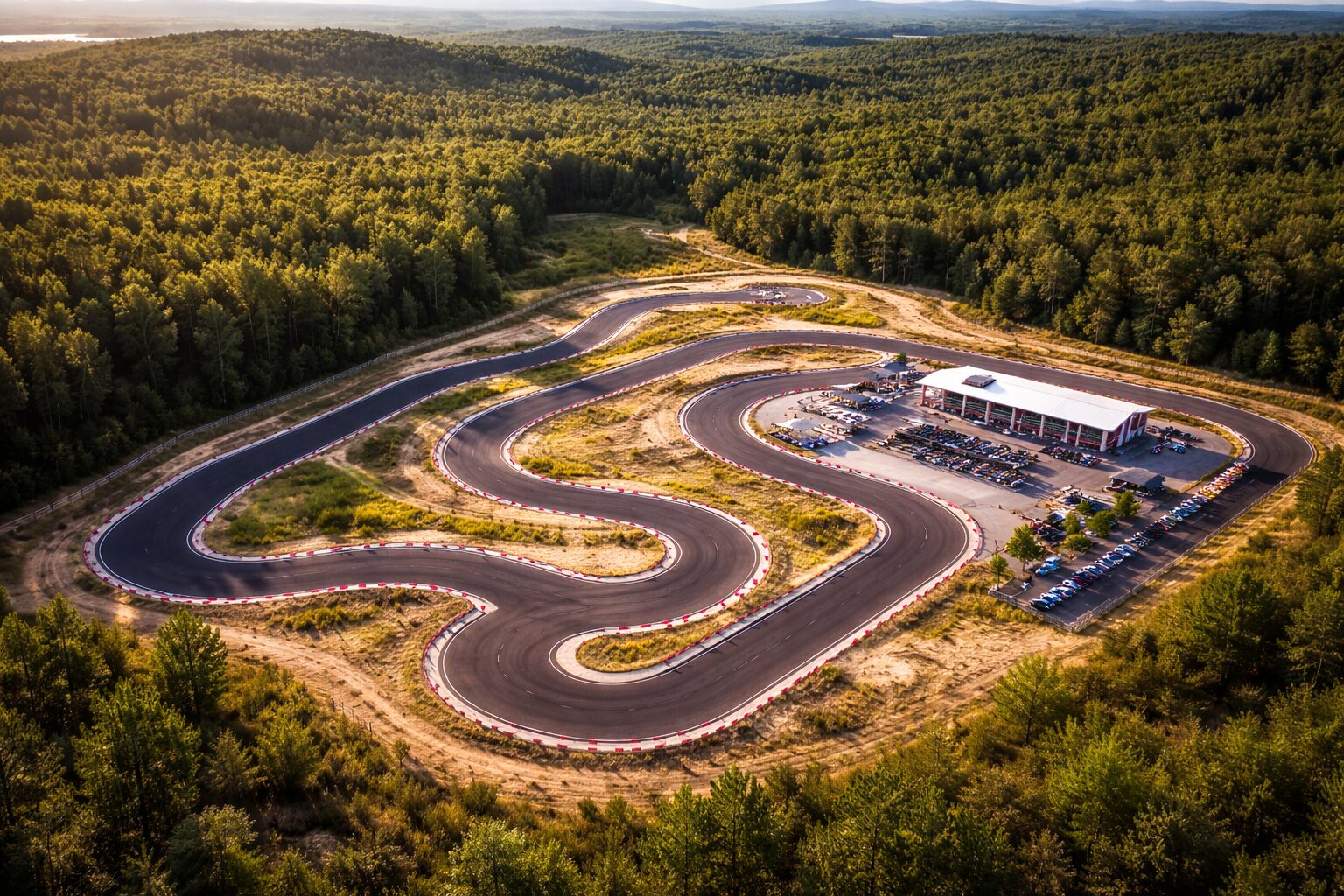
When Gasoline Makes More Sense Outdoors
If the project is not noise-sensitive, gasoline karts equipping honda engines can be an excellent solution.
Outdoor environments eliminate the biggest disadvantage of combustion engines: fumes.
Gasoline karts outdoors offer:
- No need for 3-phase charging infrastructure
- No battery management systems
- Less sensitivity to extreme weather conditions
- Greater tolerance to dust, debris, and outdoor exposure
- Lower initial investment
For rural areas, high-temperature climates, or locations with unstable electrical infrastructure, gasoline is often the more practical solution.
Infrastructure Considerations
This is often overlooked.
Electric projects require:
- Proper electrical planning
- 3-phase charging stations
- Protected charging areas
- Energy load calculations
Gasoline projects require:
- Fuel storage compliance
- Mechanical service area
- Ventilation (if semi-covered)
Both require planning — just different types.
Final Decision: It’s About Strategy, Not Preference
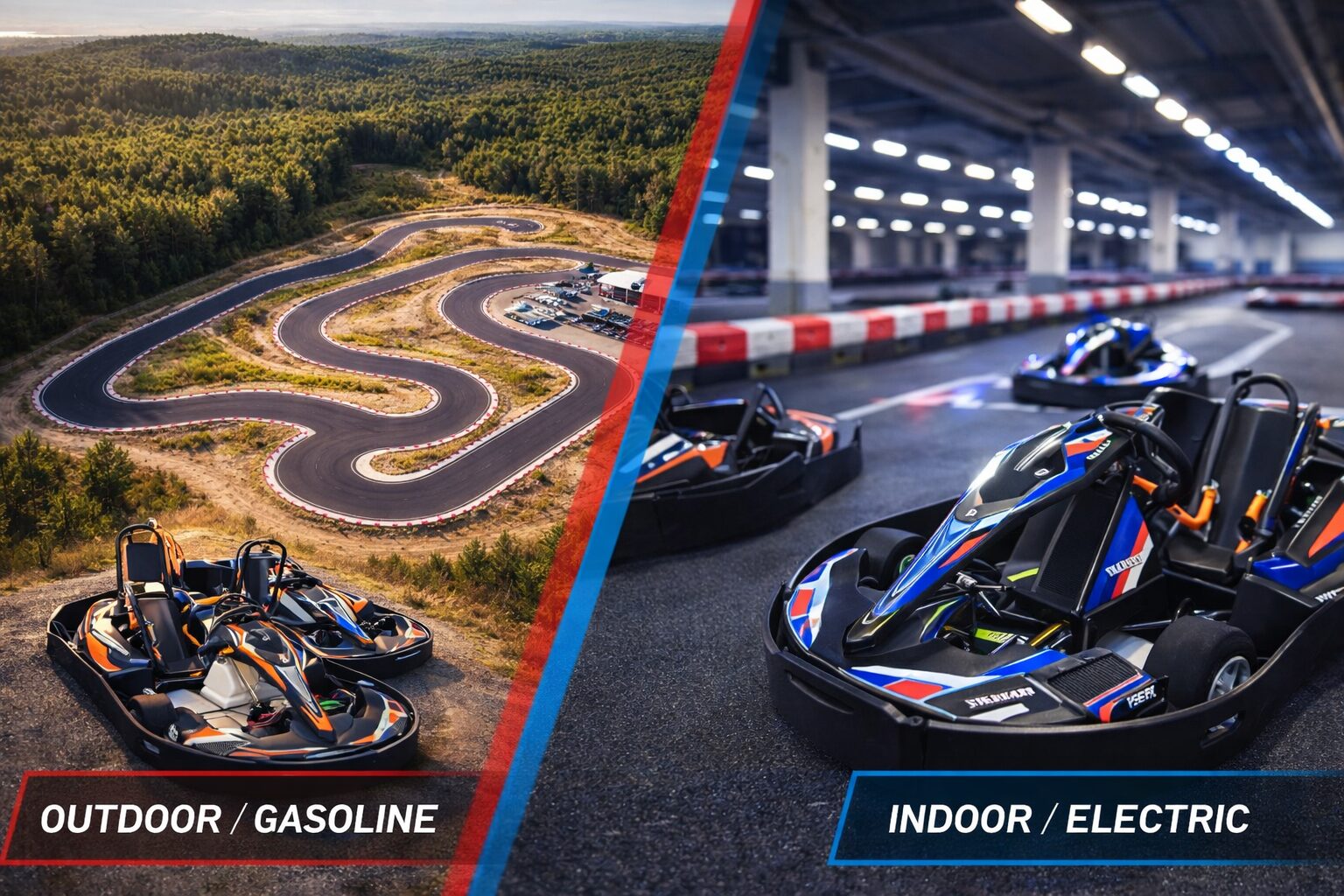
The real debate around gasoline karts vs electric karts is not about which technology is superior, it’s about which one aligns with your project’s long-term profitability.
The real question is:
“What does your specific project need to succeed long-term?”
Indoor Karting → Electric is usually the number one option
Outdoor Noise-Sensitive Project → Electric recommended
Outdoor Open Location → Gasoline often makes strong economic sense
Limited Initial Budget → Gasoline may be more accessible
At Ferkart, we analyze every project individually.
Because the wrong equipment choice can limit your profitability before you even open.
The right one positions your karting business for long-term success.